Primers, explained: what they change, and what they don't
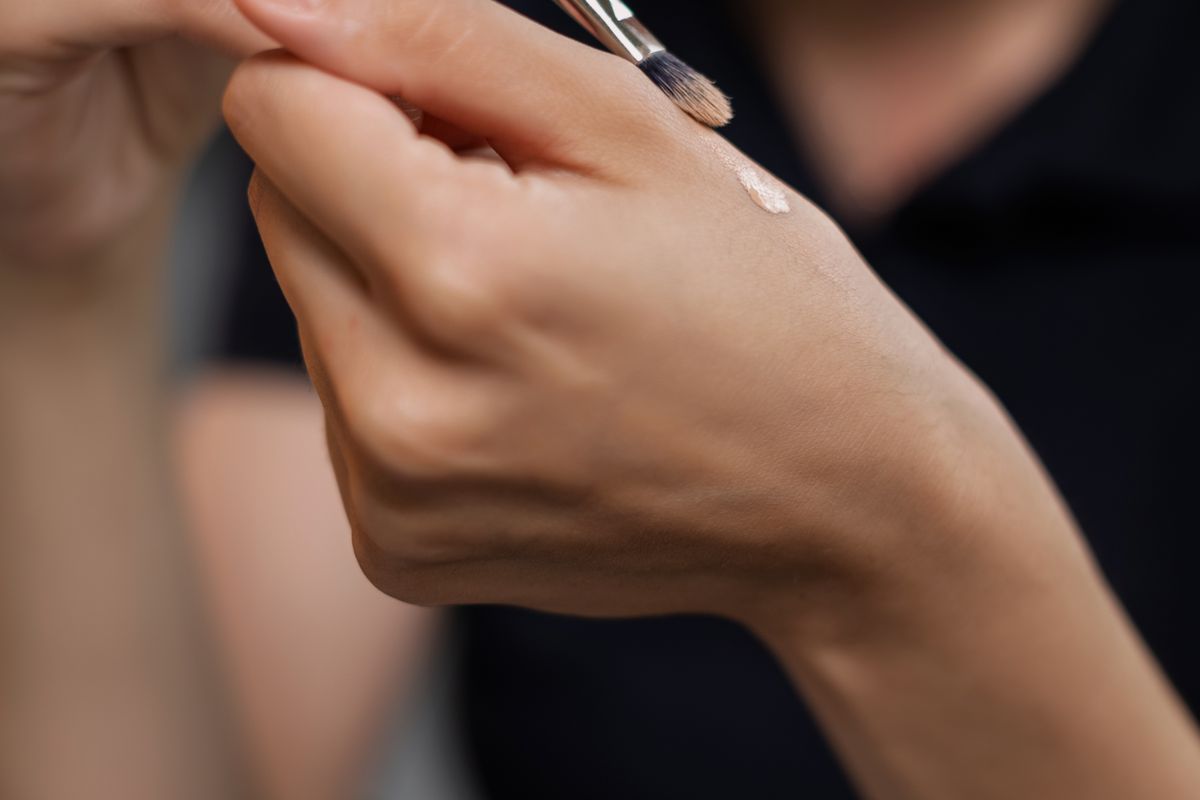
Primer is the step most likely to be oversold by marketing and dismissed for the wrong reasons. Strip the labels and a primer does one physical thing: it changes the surface your base sits on for the next several hours. Nearly every tube on the shelf is doing one of three jobs — filling texture, gripping pigment, or cushioning skin that drinks up water-based formulas. Which job you need depends on your skin and your foundation, not on the word “primer.”
The three families, by what they do to the surface
Silicone fillers are built on dimethicone and its relatives. They lay down a slick, blurring film that settles into pores and fine lines and evens the plane underneath foundation. On textured or enlarged-pore skin the difference is visible immediately: the base stops catching. The trade is stacking behavior — silicone over a not-yet-set layer can pill, and the fill smears under repeated touching.
Grip primers work in the opposite direction. They are slightly tacky films, usually polymer-based, designed to hold pigment still. On oily skin, long days, and bases known to slide, this is the family that earns its slot. Applied where oil collects first — center of the face, around the nose — a thin film does more than a full-face coat.
Hydrating primers are cushion, not structure. Mostly water-based lotions with humectants, they give a matte base something to melt into and buy an hour before tightness and patchiness set in. For dry skin, this is often the missing half of the formula rather than an extra step.
What the wear-time evidence supports
The defensible claims are narrower than the shelf implies. A grip film has straightforward mechanics: it adds a polymer layer that sebum has to travel through before reaching pigment, which is why bases last longer at the oil zones when one sits under them. A hydrating primer measurably changes how a matte foundation sits in the first hour. What no primer reliably does: control oil through a full day on its own, replace blotting, or make a badly chosen color wearable — that is a foundation problem, handled in foundation shade matching, not a primer problem. Wear time is also a system result: skin prep, base formula, climate, and the order of layers all outrank the primer itself, which is the entire argument of the longwear makeup science guide.
When primer is skippable
Primer is a correction layer, and correction is only needed when something needs correcting. Even, well-prepped skin under a well-matched foundation often needs nothing — the skin’s own surface does the job. Skip it when foundation wears fine bare, when your moisturizer already provides slip or grip, or when you touch up during the day anyway. Reach for it if the base separates by lunch, settles into pores within the hour, or slides off a moisturized face. When you do apply one, timing matters more than brand: it goes on after skincare has fully absorbed and gets a minute before base. The layering order guide covers that handoff, and it prevents most of the pilling that gets primers blamed.
Frequently asked
- Why does my foundation pill when I use primer?
- Pilling is almost always a layering-speed problem, not a product defect. Silicone-rich skincare or primer stacked on a layer that has not set rolls up under the foundation. Give each layer a minute, and press base in rather than rubbing it.
- Do primers and foundations need to match in base chemistry?
- Roughly, yes. A water-light foundation can slide over a heavy silicone film, and a silicone-suspension base can bead on a very wet hydrating primer. If the pair fights, the primer is the layer to swap first.
- Is daily primer use bad for skin?
- There is no good evidence that primer films damage skin; they sit on the surface and wash off. The honest caveat is that a heavy film holds everything else against the skin until it is removed, so thorough evening cleansing matters more than skipping the step.