Makeup layering order: skin first, color second, always
Skincare, then creams and liquids, then powders, then whatever locks the result — that sequence holds across routines and skin types, and most makeup that fails during the day fails it rather than the products themselves. Each rule below exists for a physical reason, and every common failure mode maps back to a step that got skipped.
The handoff: skincare to makeup
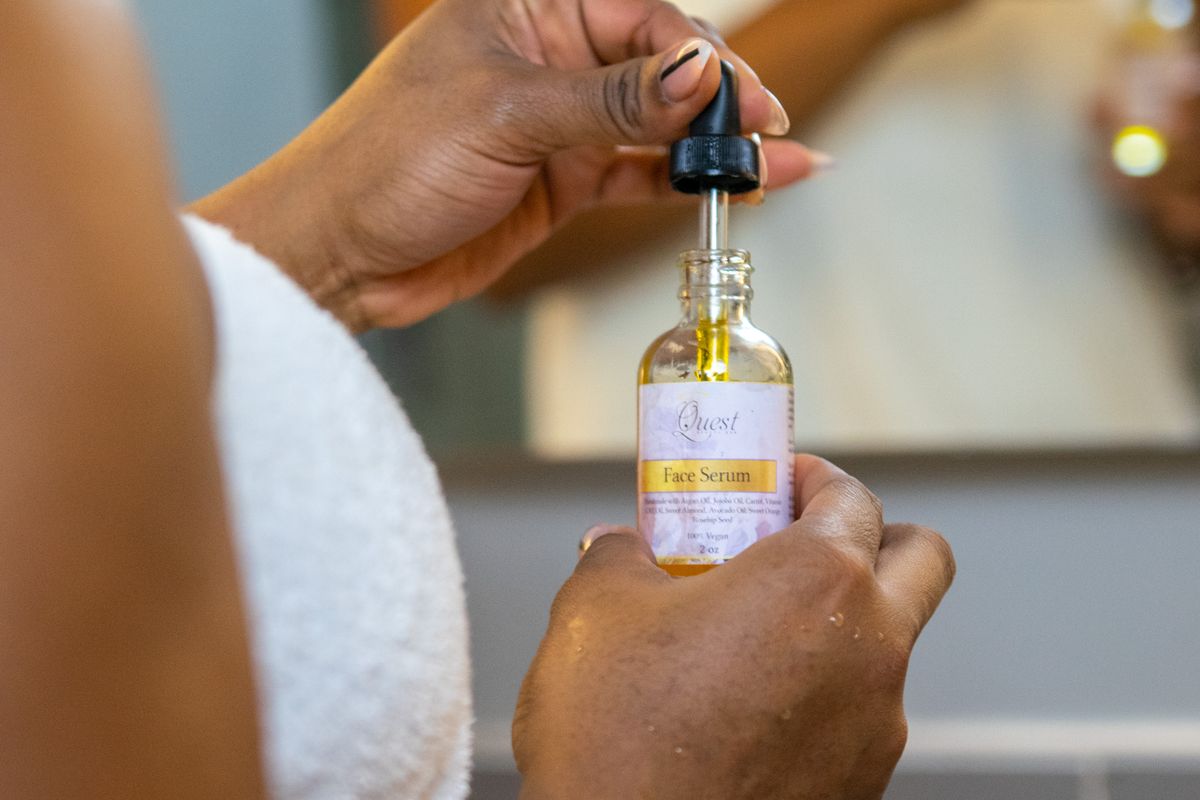
Foundation applies to a finished surface, not a moving one. Watery layers, essences, and moisturizer need minutes to absorb; makeup over a damp or tacky surface slides, streaks, and pills. The test is tactile, not timed: skin should feel dry to a light touch, with no slip. Heavier textures need longer — a rich cream takes more time than a gel. The morning half of this sequence, including which skincare layers belong in it at all, is laid out in the am/pm routine order guide.
Cream before powder, in every zone
Powder is a seal. Once it is down, the surface underneath is dry and fixed, and anything applied after it cannot melt in — cream blush over powder sits on top, cakes, and emphasizes texture instead of reading as skin. So every cream and liquid product in a zone goes first: base, then cream color, then powder where needed. The rule is per zone, not per face: cream color on the cheeks while the under-eye is already powdered is fine, because those are separate territories.
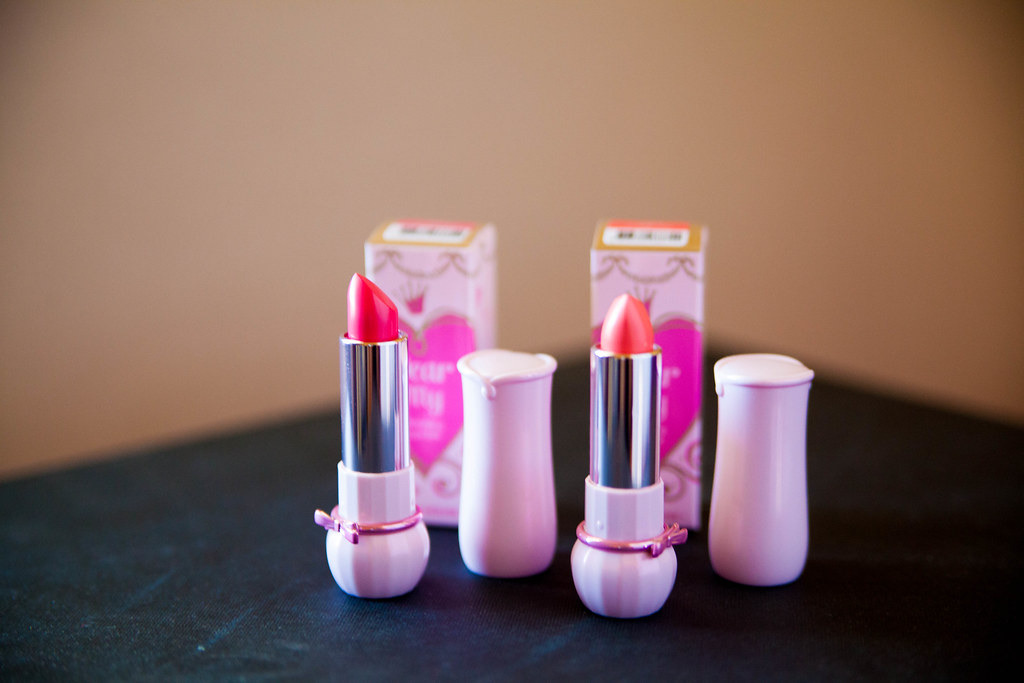
The exceptions are deliberate and rare — some artists press powder pigment over cream to raise intensity — but the default that survives contact with real mornings runs one direction: wet to dry.
Setting order: lock what needs locking
Setting is zonal, not uniform. Powder belongs where shine and movement happen — center of the face, around the nose, the inner under-eye — in a thin pass, while drier planes like the outer cheeks go untouched. A setting spray comes last, after all color, to merge the layers and take the powder edge off; held at a distance it does the merging, while a heavy dose re-wets everything and can move the base beneath. Set before a long day, a shoot, or heat — not before a short errand, where the extra layer is just extra weight.
What breaks when the order does
The symptoms diagnose themselves. Pilling — little rolls of product — means layers stacked faster than they set, usually skincare or a silicone primer under the base. Patchiness means the base went over a damp spot and grabbed unevenly. Cakey under-eyes mean a heavy powder film on skin that needed a whisper. Midday breakdown through the T-zone usually means nothing was set where oil moves, which is a grip-and-set question more than an order one — the primer guide and the longwear makeup science guide both cover that side of it. Order is mechanics, and mechanics bend: if the sequence you already use wears fine on your face, there is nothing to fix.
Frequently asked
- How long should I wait between skincare and makeup?
- Long enough that skin feels dry to a light touch — commonly a few minutes, longer after rich creams. The clock matters less than the feel; makeup applied over slip is what pills and slides.
- Can I apply cream blush over powder?
- It sits on top, cakes, and catches on texture, because powder seals the surface beneath it. If the cheeks are already powdered, switch to powder blush, or dust the powder off before the cream goes on.
- Do I need setting spray?
- Need is strong. It helps merge powder-heavy work and hold through long or humid days; on a short day with little powder, it does little. When you use it, a light, distant pass beats one heavy soak.