Hyaluronic acid serums, compared: what molecular weight changes
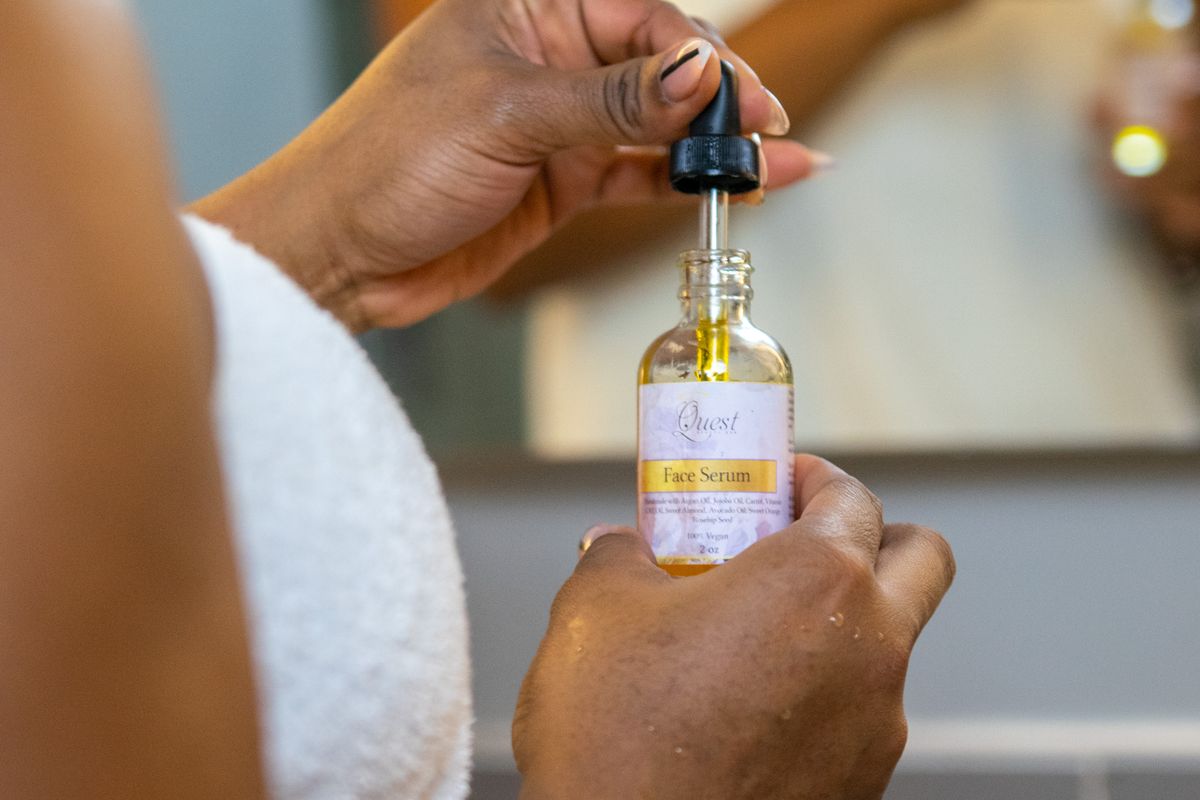
Hyaluronic acid serums are sold on molecular weight, a specification most bottles never actually print. The claims run from single-weight simplicity to five-type spreads, and the honest summary is this: hyaluronic acid is a surface humectant, and molecular weight mostly changes how deep that surface film sits and how the serum feels in the hand. The desk reads the category by weight spread first, then vehicle, then what the humectant cast adds. No lab, no panel — just labels, published specifications, and patterns from counted public buyer feedback.
Weight spread and what holds water
Three questions order this category. First, weight spread: a single sodium hyaluronate that forms one hydrated layer, or a multi-weight blend spanning low to high molecular weight with a crosspolymer, which smooths the feel and spreads the film across more levels of the upper skin. Second, vehicle: a light water-gel that vanishes under makeup, or a richer serum that carries a heavier supporting cast. Third, humectant support: panthenol, glycerin, and trehalose do the unglamorous work of holding what the hyaluronic acid binds.
The three positions
01 · The Ordinary Hyaluronic Acid 2% + B5 (with Ceramides) — the full spread. Five types of hyaluronic acid at a combined two percent: low-, medium-, and high-molecular-weight molecules, a crosspolymer, and hydrolyzed hyaluronic acid, with panthenol and ceramides behind them. The brand publishes the weights — low at five to ten kilodaltons, high at roughly 1800 to 2300 — which is more legibility than most of the category offers. The texture is lightweight and dries non-tacky. Best for anyone who wants the multi-weight argument done at the category’s lowest price, under other actives.
02 · Neutrogena Hydro Boost Hydrating Serum — the single-weight gel. One form of sodium hyaluronate in an oil-free, non-comedogenic gel-serum with glycerin and sodium PCA doing the holding. This is the classic single-weight position: one hydrated film, a fast-dry finish, nothing to argue about. Two caveats: the formula carries the Hydro Boost signature fragrance, a genuine flag for reactive skin, and the film is surface-only. Best for oily or combination skin that wants hydration without weight, at drugstore scale.
03 · SkinCeuticals Hyaluronic Acid Intensifier Multi-Glycan — the boosted end. One point three percent hyaluronic acid in three forms — high molecular weight, low molecular weight, and acetylated — plus twelve percent Proxylane, a post-biotic ferment, and licorice and purple rice extracts. The argument is different in kind: not just applying a humectant film but attempting to raise the skin’s own glycan levels, a claim the brand’s own testing supports and no public data settles. Best for skin that wants the plumping effect and accepts paying for an unevidenced margin.
Formulas between these poles — two-weight drugstore blends, fermented or bead-textured variants — are noted in the at-a-glance table below.
Damp skin, sealed fast
Choose by feel and by what sits after the serum, not by weight claims. The weight figures on any label are brand-stated and unverified by public testing; the depth-of-delivery story that accompanies them outruns the evidence in every direction. What is verifiable is the vehicle and the cast, and what is controllable is the method: serum on damp skin, sealed immediately with a moisturizer — the gel-versus-cream moisturizer guide picks that seal — because a humectant left open to dry air can leave skin tighter than it found it. The barrier logic behind that seal sits in the skin barrier primer.
If the skin is reactive, the fragrance line decides the category: the single-weight pick here carries a scent, the other two do not. And if you are ordering a full routine around one of these, the AM and PM routine guide places humectant serums correctly — after actives, before the cream.
The picks
Some links below may become affiliate links at a later date — if they do, we may earn a commission at no extra cost to you. Assessments are written before any commercial relationship exists.
- 01
The Ordinary Hyaluronic Acid 2% + B5 (with Ceramides)
Best for the full multi-weight argument at the lowest price — five HA types plus panthenol and ceramides in a lightweight, non-tacky water serum.
- 02
Neutrogena Hydro Boost Hydrating Serum
Best for oily or combination skin that wants hydration without weight — a single sodium hyaluronate in an oil-free, fast-drying gel-serum at drugstore scale.
- 03
SkinCeuticals Hyaluronic Acid Intensifier Multi-Glycan
Best for plumping intent on a premium budget — three HA forms plus 12% Proxylane and a post-biotic ferment aimed at the skin's own glycan levels.
At a glance
Molecular weight spread, vehicle, and humectant cast at a glance. Figures read from manufacturer product pages at the time of writing.
| Specification | The Ordinary 2% + B5 | Neutrogena Hydro Boost | SkinCeuticals Multi-Glycan |
|---|---|---|---|
| HA spread | Five types, 2% combined | Single sodium hyaluronate | Three forms, 1.3% |
| Vehicle | Lightweight water serum | Light water-gel | Serum |
| Humectant support | Panthenol (B5), ceramides | Glycerin, sodium PCA | 12% Proxylane, post-biotic ferment, licorice and purple rice extracts |
| Fragrance | None | Signature fragrance | None |
| Best for | Layering under actives, low budget | Oily or combination skin, under makeup | Plumping, premium routines |
Sources
The Ordinary — US product page (theordinary.com) · Neutrogena — US product page (neutrogena.com) · SkinCeuticals — US product page (skinceuticals.com)
Frequently asked
- Should I apply hyaluronic acid on damp or dry skin?
- Damp. Hyaluronic acid is a humectant — it binds water, and if the only water available is inside your skin, it can pull from there and leave the surface feeling tighter. Apply to damp skin, then seal with a moisturizer so the water it binds stays put.
- Is multi-molecular-weight hyaluronic acid real or marketing?
- The molecular weights are real and brand-stated figures; what they change is mostly the depth and feel of the hydrated layer, since even low-weight hyaluronic acid does not reach deep skin. Multi-weight formulas tend to feel less tacky and layer better. Whether that outperforms a well-built single-weight serum has not been shown in public head-to-head testing.
- Can a hyaluronic acid serum dry my skin out?
- It can contribute, if used alone on dry skin in dry air with nothing sealing it. The serum binds water; the moisturizer on top keeps it. That order — serum on damp skin, cream after — is the whole trick, and the gel-versus-cream moisturizer guide covers how to pick the seal.