The order of a routine: what goes on first, and why
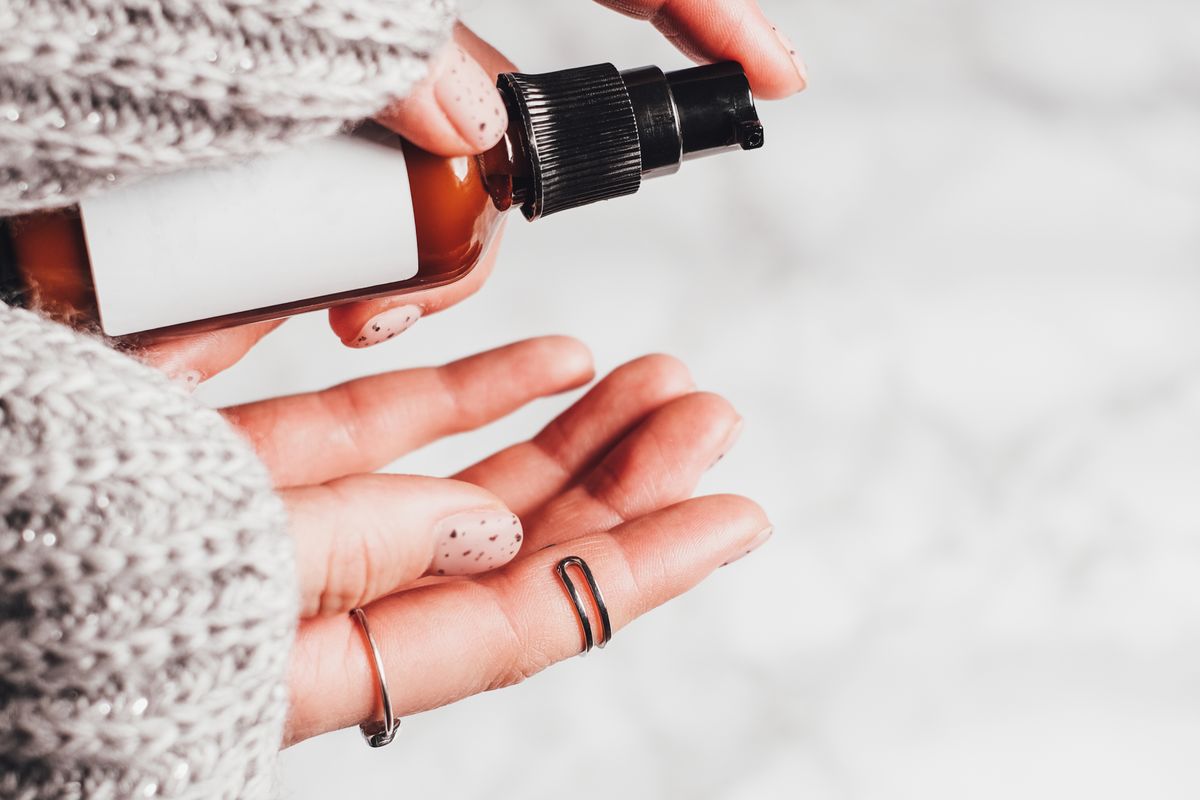
Layering order is where skincare advice turns mystical, and it does not need to be. Two physical rules do nearly all of the work: thinnest texture first, water-based formulas before oil-based ones. Every other question — the wait times, the morning-versus-evening splits — follows from those two rules plus one idea: what needs to touch skin directly should not have to get through something else first.
The thin-to-thick rule
Skin takes in what reaches it, so whatever lands first sits closest. A watery essence pressed over a heavy cream mostly stays in the cream; a rich cream sealed under a light gel does little except trap what came before it. Hence the standard ladder: cleanse, then watery layers — toners, essences, hydrating serums — then thicker gels, then oils and creams, with sunscreen last in the morning. The order is less about ingredients reacting with each other than about access: actives and humectants work best against bare skin, and occlusive textures work best as the last thing applied.
Where each product goes
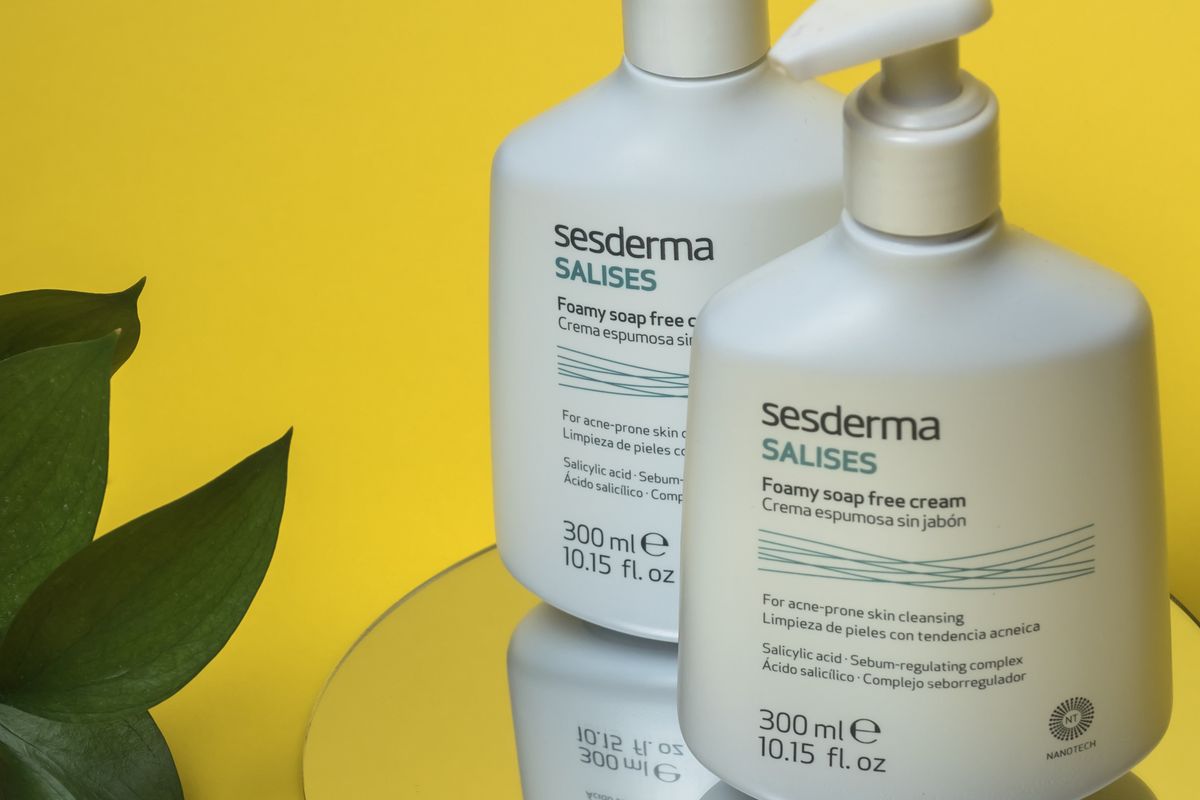
- Cleanser. A bare canvas; nothing else works well through residue or makeup.
- Watery layers and hydrating serums. Glycerin and hyaluronic acid formulas go first, ideally on slightly damp skin, because later occlusion slows their pull.
- Actives. Retinoids go onto fully dry skin to limit sting; acid treatments slot in around them on the nights the schedule allows. The retinol schedule guide and the exfoliation frequency guide both assume this position in the order.
- Moisturizer. The seal. Its weight — gel, gel-cream, or cream — is a texture decision the desk’s gel-versus-cream guide handles separately; the rule here is only that it comes after the water.
- Sunscreen. The last skincare step, morning only. It is designed to form a surface film; burying it under moisturizer thins that film.
Wait times: the real ones and the invented ones
One wait has a real basis: long enough for each layer to stop feeling wet, usually thirty to sixty seconds, before the next goes on. Applied over a wet layer, the next product dilutes both. A second practical pause is retinoid onto dry skin — for comfort rather than chemistry. The famous long waits, fifteen to twenty minutes after vitamin C or a gap before and after niacinamide, have no meaningful chemistry behind them in modern, pH-buffered formulas. They migrated out of laboratory conditions, a story the desk unpacks in its piece on vitamin C and niacinamide. If a routine needs a stopwatch, it will not survive a Tuesday.
What changes between morning and night
Morning ends with sunscreen; night drops it. That is the largest difference, and it reshapes the ladder. Evenings also carry the heavier, slower textures comfortably — a richer cream or a thin occlusive layer has nowhere to be and nothing to conflict with. Actives sit better at night for most people, partly because several make skin less able to tolerate sun. Day adds one more consideration: everything has to coexist with primer and makeup, which argues for the lighter textures early.
The honest summary: order is physics with a generous margin. Get the thin-to-thick, water-before-oil skeleton right and the routine forgives the rest. Skin’s own feedback — tightness, stinging, sheen — is a better referee than any numbered rule the desk could write.
Frequently asked
- How long should I wait between skincare steps?
- Long enough for the previous layer to stop feeling wet — usually thirty to sixty seconds. The long waits people quote, fifteen minutes between every layer, have no chemistry behind them and mostly cause routines to be abandoned.
- Should sunscreen go before or after moisturizer?
- After, as the final skincare step. Sunscreen is formulated to sit as a film on the surface; burying it under a cream thins that film. If the combination feels heavy, the fix is a lighter moisturizer, not a swapped order.
- Does the order matter if all my products are from one brand?
- Yes, because order is physics, not branding. A matching system still follows thin-to-thick: the watery textures first, the creams and occlusives last. A brand kit rarely changes that.