Scalp Care Is Skincare: A Primer
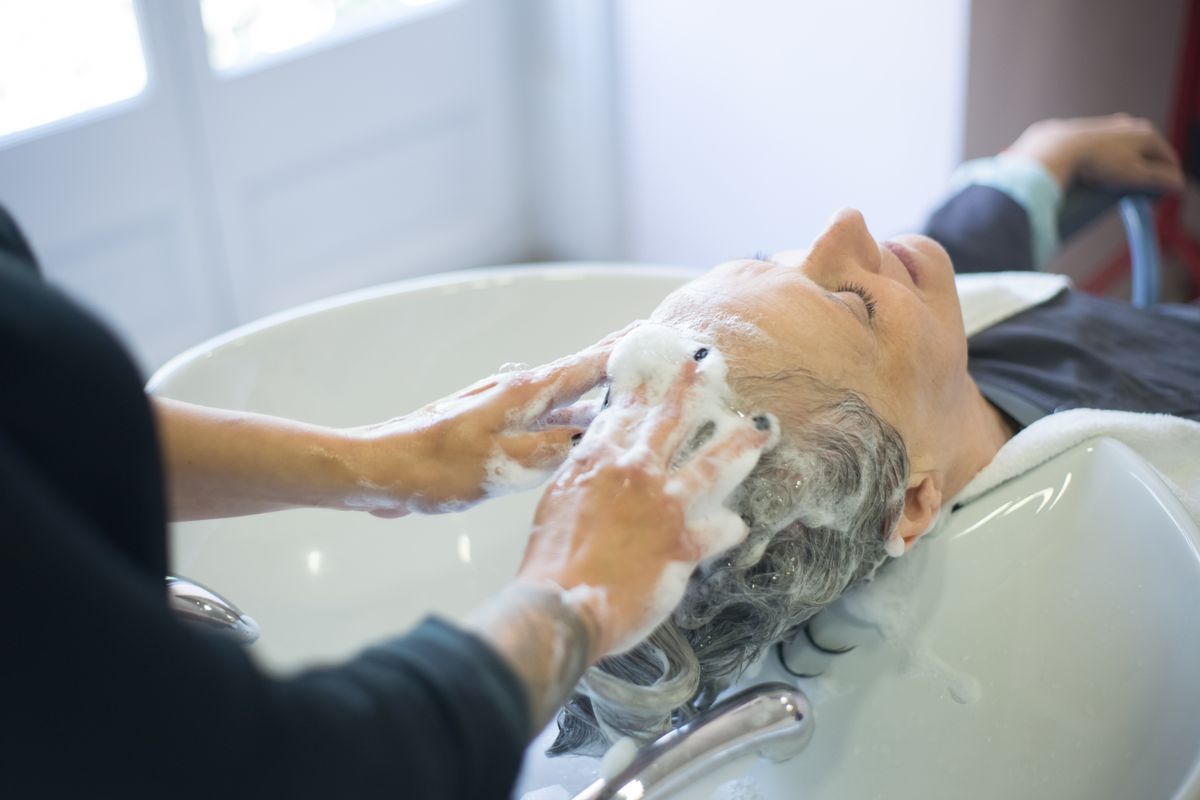
The scalp got renamed a market segment a few years ago — scrubs, serums, massage tools, the whole vocabulary of skincare transplanted upward. The reframe itself is correct: the scalp is skin, continuous with the face, with the same barrier, the same oil glands, the same response to inflammation. The products, though, are a mixed bag of genuinely useful and confidently overpromised.
What the scalp actually is
Take facial skin, add the highest density of large sebaceous glands anywhere on the body, and grow hair out of it. That sebum is not a defect — it waterproofs and conditions the strand — but its abundance changes the environment: oil, heat, and covered skin are exactly what Malassezia, the yeast implicated in dandruff, eats. Each follicle also carries its own microscopic chemistry, and buildup of sebum, dead cells, and product sits on top of it. This is why wash frequency, not wash brand, is the first lever; the desk’s washing frequency guide covers how to set it. A scalp that is comfortable, not tight, not itchy, not shiny by noon, is the target — the hair growing out of it inherits that environment.
The three claims, sorted honestly
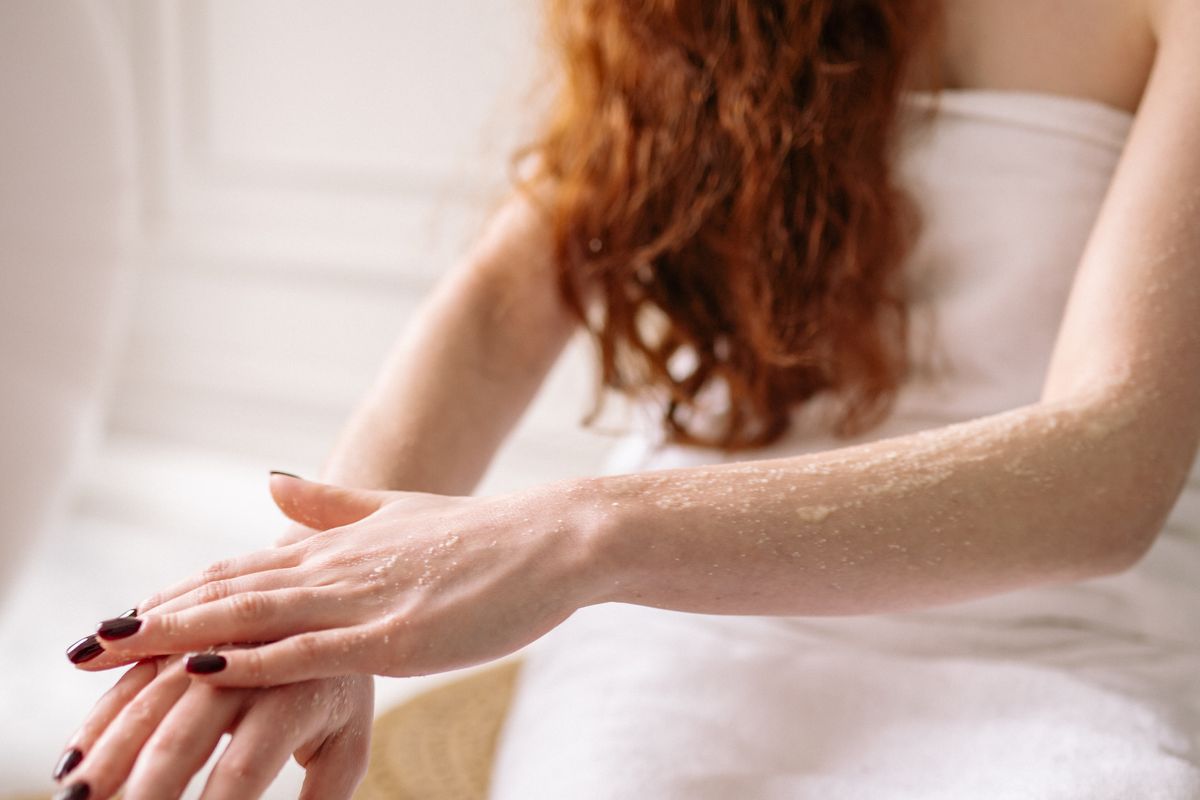
Exfoliation: real, with a narrow job. Salicylic-acid scalp liquids and fine scrubs dissolve or lift the stuck-on layer of scale and product that shampoo alone misses. For flaky buildup and heavy product users, this is legitimate — used once every week or two, massaged with fingertips, not claws. What exfoliation does not do: treat dandruff by itself, “detox” anything, or substitute for a medicated shampoo when Malassezia is the actual problem.
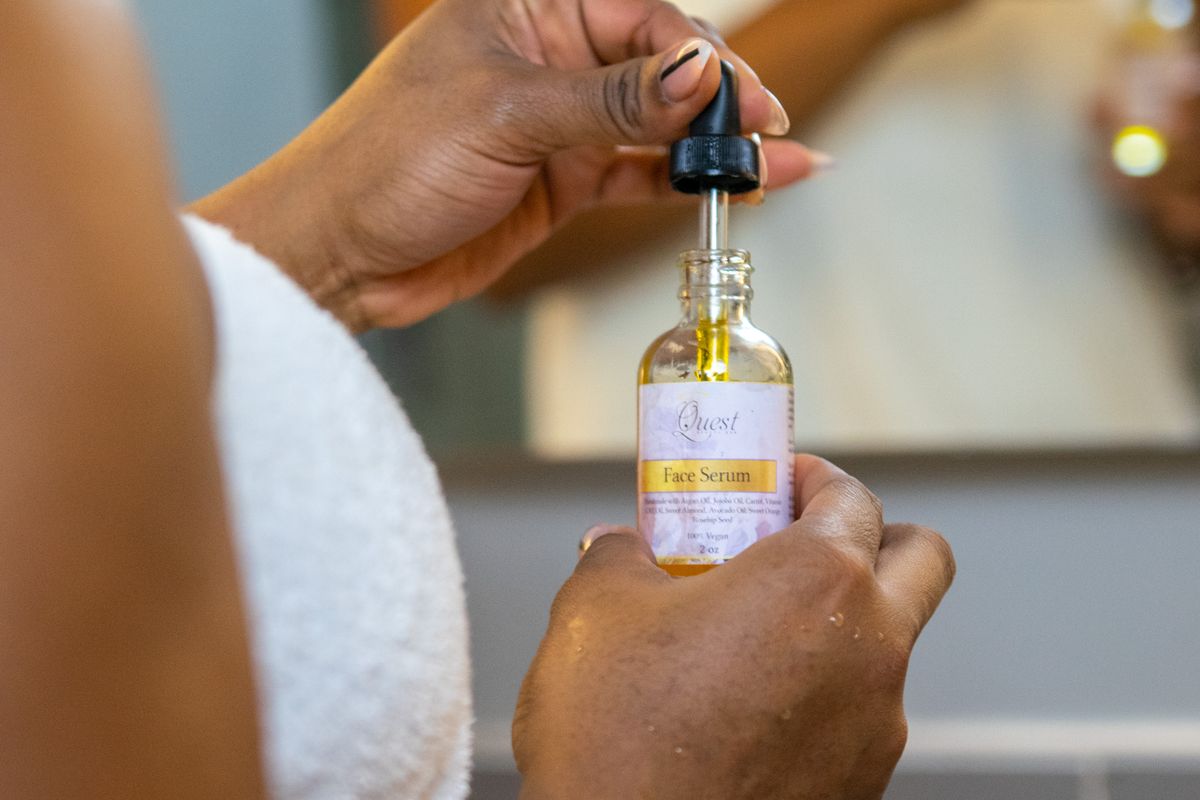
Treatment serums: the label decides. This category spans honest to hollow. Ingredients with a real job description — zinc pyrithione, ketoconazole, salicylic acid, coal tar — appear in medicated shampoos and are worth their place when flaking or itching is present. Ingredients with an aspirational job description — “awakens follicles,” “stimulates growth” in a serum without minoxidil — do not have the evidence to match the sentence. Read the active, not the promise: if the claim is growth and the active is not minoxidil, the claim outruns the label.
Massage: thin evidence, near-zero cost. A small published study found daily several-minute massage increased hair thickness after months, plausibly through mechanical stretch and blood flow. The desk’s honest read: it is a pleasant, free habit with weak-but-nonzero support and no downside — and it is not a treatment. Nothing about massage replaces a medicated active or a dermatologist.
When to stop shopping and call a dermatologist
Some scalp states are medical, not cosmetic, and no retail shelf fixes them. Persistent flaking that ignores an over-the-counter medicated shampoo for six weeks, pain or swelling, sores or oozing, sudden shedding in patches, or a receding-thinning pattern that is accelerating — these are seborrheic dermatitis, psoriasis, fungal infection, or alopecia territory. The sooner the diagnosis, the more hair survives it; scarring conditions in particular close follicles permanently. Skincare logic ends at the edge of pathology, and that edge is the dermatologist’s.
Frequently asked
- Do scalp scrubs damage hair?
- Not if used gently and rarely. A fine-grit scrub or a salicylic-acid scalp liquid used once every week or two clears buildup without harming the strand — the damage risk comes from aggressive physical scrubbing with coarse particles, or from acids stacked on an already irritated scalp. If the scalp stings or flakes more afterward, the treatment is too strong for it.
- Does scalp massage grow hair?
- The evidence is thin but not zero: one small 2016 Japanese study found a few minutes of daily massage increased hair thickness over months, plausibly by stretching follicle cells and improving local blood flow. It is a reasonable free habit, not a treatment — no massage out-performs minoxidil or corrects a medical condition.
- When is dandruff not just dandruff?
- When an over-the-counter anti-dandruff shampoo used as directed for four to six weeks has not touched it, or when the scalp is painful, swollen, oozing, or shedding hair in patches. Those point to seborrheic dermatitis, psoriasis, fungal infection, or alopecia areata — conditions that need a diagnosis, not a stronger shampoo.