Body care, in order: what goes where, and when
Face routines get hundreds of articles about order; body routines get a bottle of lotion and good intentions. But the body follows the same chemistry as the face — thinnest to thickest, treatment before moisture, water before oil — and most body routines fail on exactly those rules. Here is the order, and the reasoning that makes it stick.
Step one: cleanse, and calibrate it
Body skin varies more than facial skin — shins are dry, backs are oily, and one wash product serves all of it. For most people, a mild body wash used only where needed (underarms, groin, feet, any actually dirty patch) is the right default. Running strong surfactant over shins and forearms daily is the body equivalent of over-cleansing the face, and it shows up as the same winter flakiness. An acid body wash — salicylic or glycolic at wash-off strength — earns its place on body-acne-prone zones, used as a treatment, not an all-over default.
Step two: treatment, on clean skin
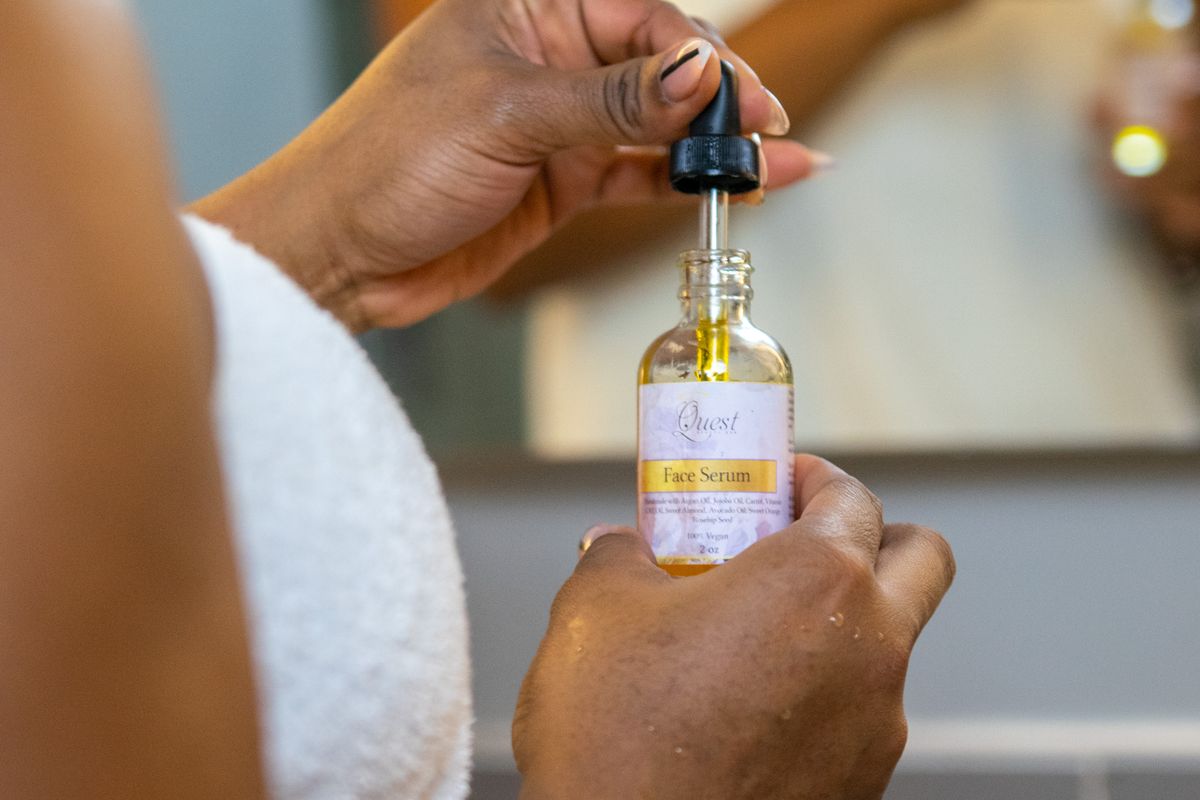
This is the step most routines skip, and it is where the body’s real issues live. Keratosis pilaris responds to urea and lactic acid. Salicylic acid leave-ons and benzoyl peroxide washes handle body acne on the back and chest. Rough, ashy patches need urea and alpha-hydroxy acids at leave-on strengths. Treatments go on clean, dry skin, before any moisturizer — layering lotion first puts a partial barrier between the active and the skin and blunts it.

Step three: moisturize damp
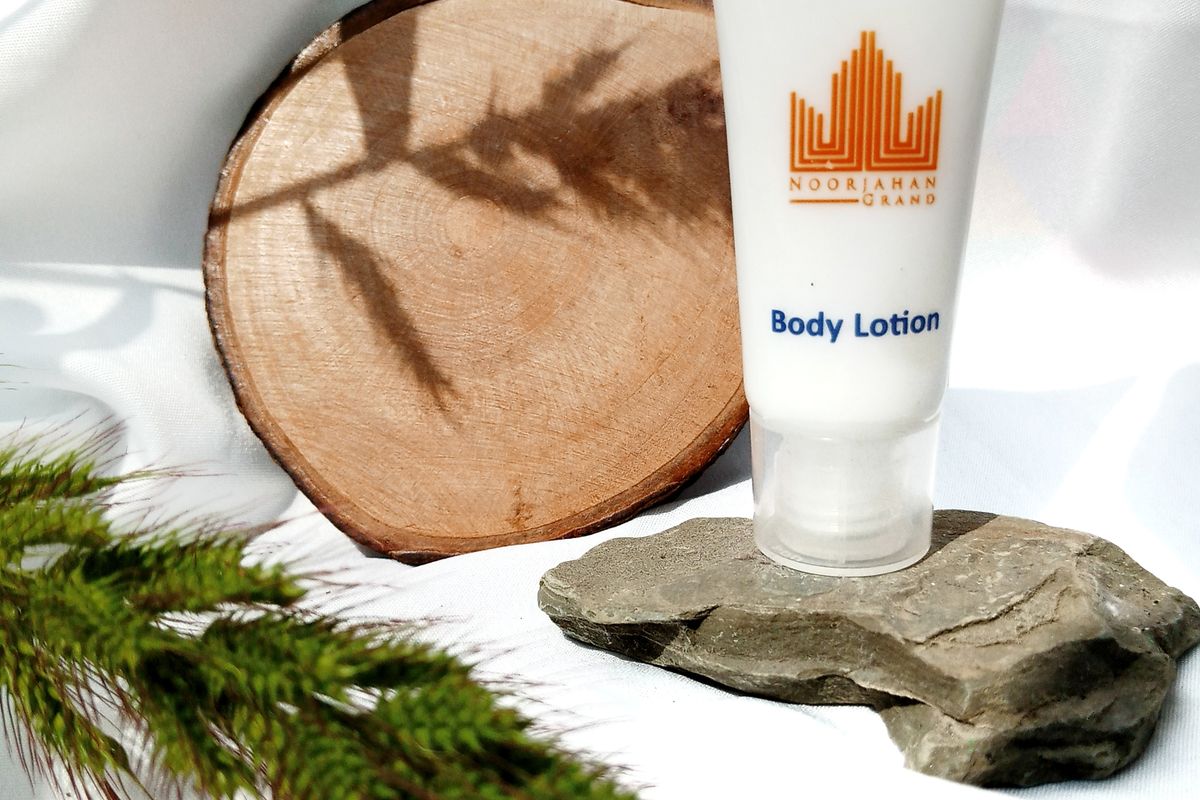
The single highest-leverage habit in body care costs nothing: apply lotion within about three minutes of toweling off, while the skin is still damp. Humectants like glycerin and urea pull from the water sitting on the skin; occlusives then seal it in. On fully dry skin, the same products do a fraction of the work and feel like they’re sitting on top. Texture picks the bottle — light lotions for humid months and hairy areas, creams and butters for shins, elbows, and winter — and the desk’s body lotion assessment sorts the categories by feel.
Step four: protect the parts that see sun
Arms, shoulders, hands, and the back of the neck take the year’s cumulative sun, and they show it decades later. A body SPF on exposed skin during real outdoor time is the last layer, always after moisturizer. The texture brief matters more here than on the face: a light, fast-drying formula that doesn’t sting on application gets reapplied, and reapplication is most of the job. The desk’s body SPF guide covers the trade in detail.
The two mistakes that undo all of it
Exfoliating too often — scrubs and acids every day is the body version of over-exfoliating the face, and the shins are usually where it shows first. And treating feet and hands as an afterthought until they crack, when a five-second urea pass at bedtime is the whole fix. The order above, boring and consistent, is what “silky” actually is on a body: a barrier that was never stripped in the first place.
Frequently asked
- Should I apply body lotion to damp or dry skin?
- Damp, every time — within a few minutes of toweling off. Humectant-heavy lotions pull from the water already on the skin, and occlusive layers lock that water in. The same bottle on dry skin does a fraction of the job.
- In what order do body treatments and lotion go?
- Thinnest to thickest, same as the face: actives and treatment serums first on clean skin, then lotion or cream. An acid body wash or scrub counts as the treatment step — it doesn't repeat after moisturizing.
- Do I need a separate body SPF, or is face sunscreen fine?
- The filter chemistry is the same; the texture is the difference. Face sunscreens are usually too rich and too expensive to cover arms and legs at reapplication doses. A light, fast-setting body SPF you will actually reapply beats an elegant one you won't.