Fungal acne: what it is, and what it usually isn't
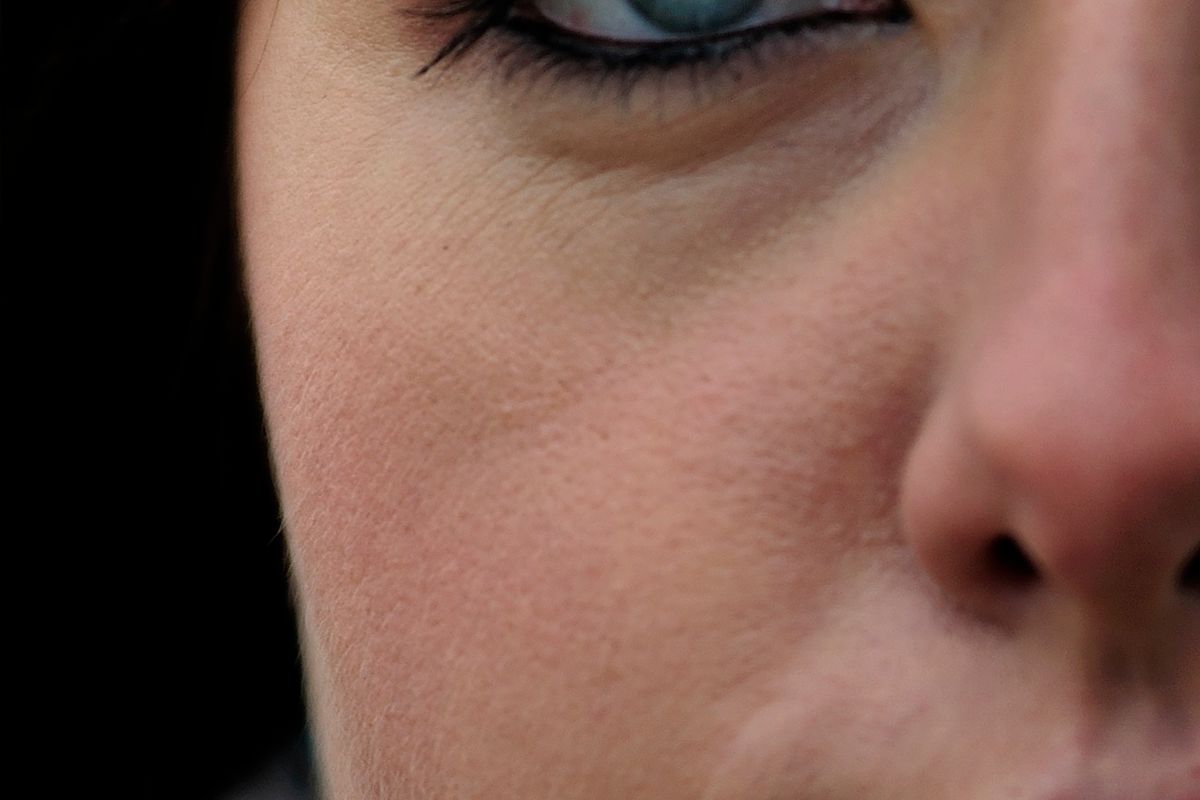
The bumps showed up where every acne product had already failed: small, even, itchy, spread across the cheeks and forehead in a near grid. They never came to a head. Benzoyl peroxide did nothing. This is the familiar case file for “fungal acne” — a name that is common, useful for searches, and wrong. The condition is malassezia folliculitis, an overgrowth of a yeast that lives on everyone’s skin, and it is a follicle problem, not an acne problem. That distinction changes everything downstream: the diagnosis, the treatment, and the ingredients.
Why it is not acne
Acne is a mixed-cause condition: oil production, clogged pores, bacteria, inflammation, in varying proportions. Malassezia folliculitis has a single cause — malassezia yeast feeding on fats in skin oil and in some product ingredients — multiplying inside hair follicles until each one inflames into a small bump.
The pattern is the giveaway. Acne varies: whiteheads here, deep cysts there, blackheads along the nose. Folliculitis repeats — bumps of roughly equal size, clustered in patches on the chest, back, forehead, or jawline, and notably itchy, which ordinary acne rarely is. Flares after sweating, humid weather, or a run of occlusive products are common.
Why the antifungal route differs
Because the cause is yeast, the tools are antifungals: ketoconazole shampoo used as a short-contact wash on face or body, or prescription oral medication for wider cases. Standard acne ingredients target bacteria and clogging and will mostly do nothing here — which is why so many people “fail treatment” for months before the right name is found.
The desk will say it plainly: this piece describes patterns, not a diagnosis. Folliculitis, bacterial acne, and plain irritation can look alike, and a dermatologist can often confirm the difference in minutes, sometimes with a scraping. Guessing wrong costs months; a professional look costs little.
The ingredient math: feeding and starving
Malassezia metabolizes fats of certain chain lengths. Longer-chain fatty acids and many esters — the ingredients that give rich creams their slip — are usable food; fats of carbon length eleven and under are not, and the yeast leaves them alone. The practical consequence, widely discussed in dermatology writing, is that heavy esters and some plant oils can feed an overgrowth once it exists.
Two honest caveats. The circulating ingredient lists are compiled from what the yeast consumes in lab conditions; real-world triggers vary person to person, so the lists are a screening tool, not a verdict on any bottle. And no one should live on short-chain-only products permanently — the useful test is a short trial on an antifungal baseline, which is where the subtraction-first method in the sensitive-skin routine guide applies directly.
If bumps fade during a ketoconazole trial, the pattern confirms itself; if they persist or worsen, back to the professional. For the broader bumpy-texture conversation on the body — where folliculitis and ordinary acne get confused constantly — the body acne primer covers the follicle story from the body side.
Frequently asked
- How can I tell fungal acne from regular acne?
- Fungal folliculitis tends to produce uniform, itchy bumps in clusters, often on the chest, back, or forehead, and it usually flares with sweat and humidity. Regular acne varies more in size and depth and rarely itches. Neither pattern replaces a professional diagnosis.
- Will regular acne treatments work on fungal acne?
- Usually no. Benzoyl peroxide and standard acne ingredients target bacteria and clogged pores, not yeast, so results tend to be disappointing. Antifungal treatment — often a ketoconazole shampoo used as a short-contact wash — is the route that matches the cause.
- Do I have to avoid all oils and esters forever?
- No. The circulating ingredient lists are a screening tool, not a sentence. The useful test is a short trial: an antifungal baseline, a simpler product load, and observation over two to four weeks. If skin stays clear, ingredients can be reintroduced one at a time.